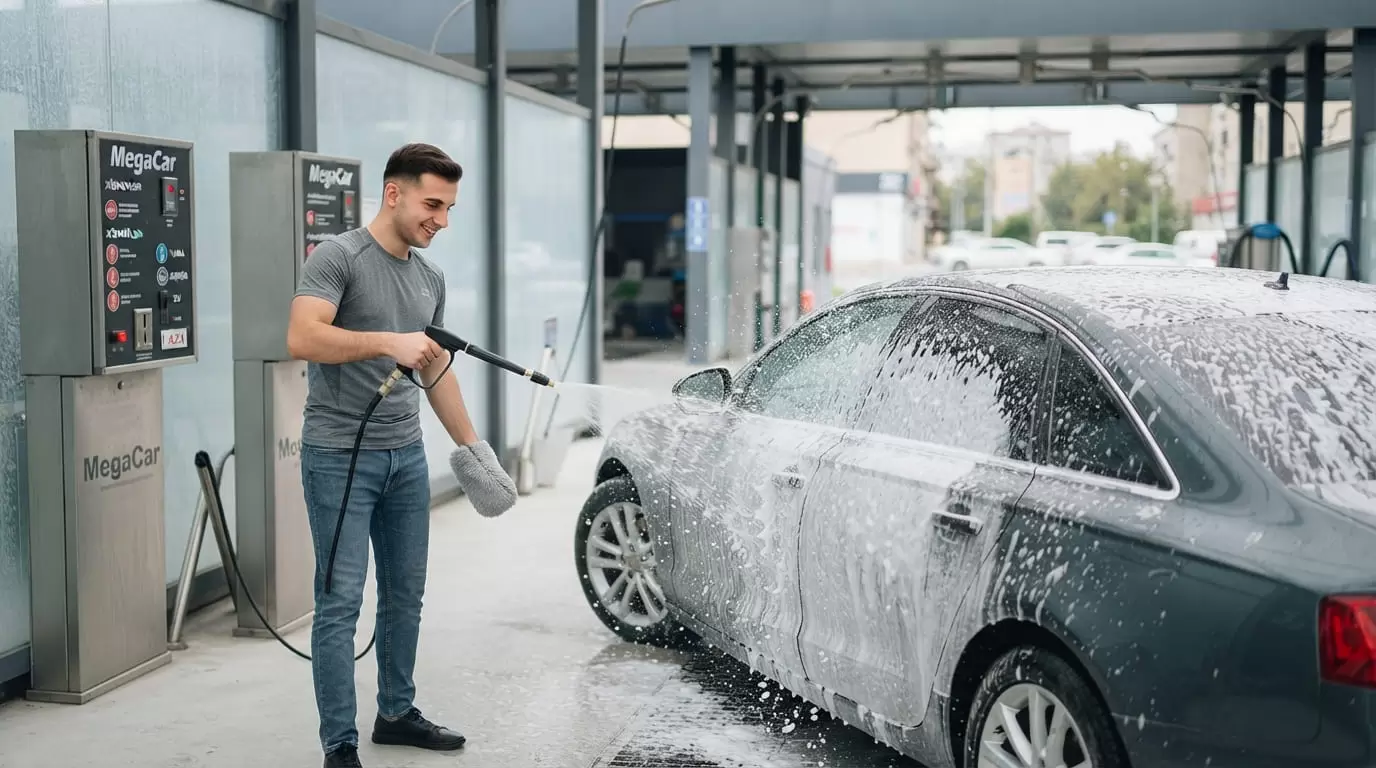
For many drivers, loving their car, taking care of it, and keeping it clean is not just a necessity but also a special pleasure. Washing their own cars, paying attention to every detail, and enjoying the final result has become particularly popular among young people.
In recent years, 50-gapik self-service car washes have also become a convenient alternative for drivers. While a single wash at a conventional car wash can cost around AZN 10 or more, drivers can save money by washing their vehicles at self-service facilities for approximately AZN 1–1.5.
Moreover, drivers have full control over which parts of their vehicles receive more attention and how much time they spend on each stage of the washing process.
But are there hidden aspects of this seemingly affordable service that we should pay attention to?
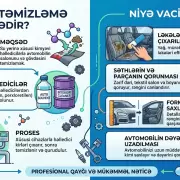
Cleaning Chemicals – How Suitable Are They for Your Vehicle?
One of the main products used at 50-gapik self-service car washes is automotive shampoo. The quality and chemical composition of these products can vary from one facility to another.
The strong and unpleasant smell of certain cleaning products raises questions among drivers about their chemical composition.
The key factors are whether the cleaning product is suitable for the vehicle's paintwork, its pH level, the correct dilution concentration, and how long it remains on the surface.
Unsuitable or excessively concentrated aggressive cleaning chemicals can negatively affect the vehicle's paintwork, protective wax coating, plastic components, and other exterior elements.
Therefore, drivers should pay attention to the type of cleaning products being used and follow their application instructions whenever possible.
The strong and unpleasant smell of certain cleaning products can be particularly noticeable inside the vehicle. For example, after washing floor mats with active foam, an unpleasant chemical smell may remain inside the cabin for some time. This may be related to the composition and properties of the cleaning products used. Therefore, it is important to pay attention to the quality of the products used not only for the exterior of the vehicle but also for cleaning its interior.
2. Drying Towels – A Hidden Cause of Scratches
One of the most important stages after washing a vehicle is the drying process. Unfortunately, many drivers do not pay enough attention to this stage.
The cleanliness of the towels used for drying plays an important role in protecting a vehicle's paintwork.
Imagine that small particles of sand, dust, and other hard contaminants remain inside a towel from previous use. When you wipe your car's bodywork with such a towel, these particles move across the paint surface and can cause numerous micro-scratches and swirl marks.
Another important issue is using the same towel for both the vehicle's interior and exterior.
For example, using a towel that has previously been used on floor mats, door sills, and other dirty interior areas to clean the vehicle's bodywork is not a good practice, both from a hygiene perspective and in terms of protecting the paintwork.
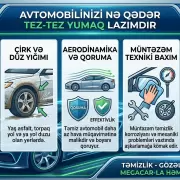
Recommendation: Use clean, soft microfiber towels for drying. Keep separate towels for the bodywork, windows, interior, and wheels. If a towel falls on the ground, do not use it again directly on the vehicle's paintwork.
3. Washing the Undercarriage – One of the Advantages of 50-Gapik Car Wash Facilities
One of the most useful advantages of these facilities is the opportunity to wash the vehicle's undercarriage.
Especially in large cities such as Baku, as well as on roads where construction work is taking place or where there is no asphalt surface, mud, dust, sand, and other contaminants gradually accumulate underneath vehicles.
This problem becomes even more significant during rainy weather. Prolonged accumulation of mud and moisture underneath a vehicle can increase the risk of corrosion on metal components.
At self-service car washes, the availability of high-pressure water for undercarriage cleaning provides drivers with a convenient way to remove these contaminants.
However, caution is also necessary here. High-pressure water should not be directed straight at electrical connections, sensors, damaged protective coatings, or sensitive components. Vehicle manufacturers' washing recommendations should always be followed.
4. Advantages and Disadvantages of Self-Service Car Washes
Advantages:
-
Washing your vehicle at a lower cost;
-
Having control over the washing process and the time spent;
-
Being able to pay more attention to specific parts of the vehicle;
-
Convenient facilities for washing the vehicle's undercarriage;
-
Enjoying the experience of taking care of your own vehicle.
Things to Pay Attention To:
-
The composition and quality of the cleaning chemicals used;
-
Leaving foam on the vehicle's surface for longer than recommended;
-
Lack of attention to the cleanliness of drying towels;
-
Reusing the same towel on different surfaces;
-
Directing high-pressure water at sensitive vehicle components;
-
Water spots caused by improper drying after washing.
5. Car Wash Cleanliness – An Important Detail Often Overlooked
Another issue worth considering when using 50-gapik self-service car washes is the overall cleanliness of the facility itself.
After vehicles are washed, mud, dust, sand, and other contaminants are rinsed off and remain on the floor of the washing area. Considering the large number of vehicles washed throughout the day, these contaminants gradually accumulate.
Unfortunately, some facilities do not pay sufficient attention to cleaning the washing area after each vehicle. As a result, the next driver may have to wash their vehicle in an area covered with mud, dirt, and water residue left behind by previous vehicles.
This situation reduces the convenience of using the facility and is undesirable from the perspective of general hygiene and service quality.
It is important to remember that the quality of a car wash service is measured not only by how clean the vehicle becomes but also by how clean and well-maintained the facility providing the service is.
Conclusion: What Matters Is Not Where You Wash Your Car, but How You Wash It!
When used correctly, 50-gapik self-service car washes can be both an economical and convenient option for drivers. However, the low cost of a service should never be an excuse for neglecting proper vehicle care.
Whether you wash your vehicle at a 50-gapik self-service facility or at a professional car wash center, it is important to protect not only its cleanliness but also its paintwork, exterior components, and technical parts.
Remember, washing your car is not simply about removing dirt; it is also about preserving its appearance and value.
MegaCar — care for your car, confidence in every journey.